Work no longer fits neatly into a nine-to-five, five-days-a-week box. In 2026, offices are evolving into something more human, more adaptable, and more intentional. Teams want spaces that support focus without rigidity, collaboration without burnout, and flexibility without chaos. The future of work is not about choosing between remote or in-office. It is about designing environments that reflect how people actually work today.
Across industries, companies are rethinking what they need from an office. Instead of fixed desks and long-term commitments, they are prioritising adaptability, experience, and people-first design. The question is no longer “Do we need an office?” but “What role should our office play in our team’s daily work?”
Hybrid Work Is Now the Default, Not the Exception
In 2026, hybrid work has matured into a stable, intentional model. Most teams now balance remote work with in-person collaboration, choosing when physical presence makes sense rather than enforcing blanket attendance rules.
This shift has changed how offices are used. Employees are less likely to come in for solo tasks that can be done at home. Instead, office days are reserved for meetings, brainstorming sessions, training, and social connection. The office becomes a collaboration hub rather than a daily workstation.
For employers, this means space planning looks very different. Fewer assigned desks, more shared areas, and layouts designed around interaction rather than occupancy are now standard. Offices that fail to evolve risk becoming underused or disengaging for employees.
The Move Away From Assigned Desks
One of the most visible office trends in 2026 is the decline of permanently assigned desks. As teams rotate between home and office, having a desk that sits empty for part of the week no longer makes sense.
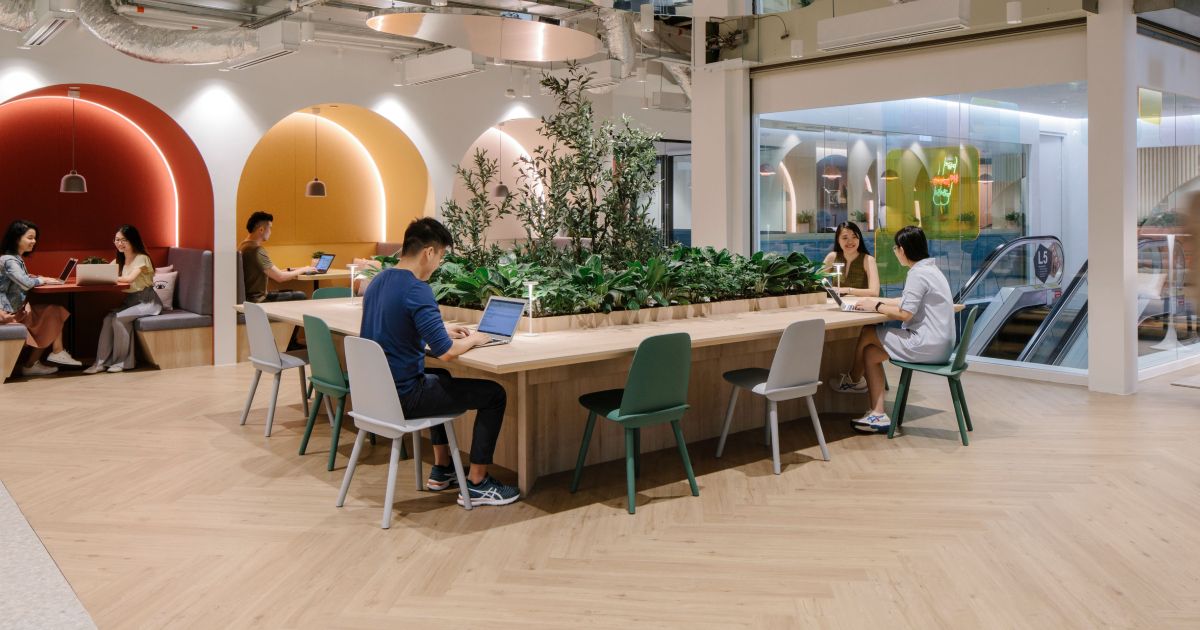
Shared seating and flexible layouts allow companies to optimise space while supporting hybrid schedules. The demand for a hot desking space in Singapore continues to rise as organisations seek agility without sacrificing professionalism.
Hot desking also encourages cross-team interaction. When people are no longer tied to one seat, spontaneous conversations become more common, helping to break down silos and strengthen collaboration.
Flexible Workspaces as a Strategic Choice
Flexibility is no longer positioned as a workplace perk. In 2026, it is a strategic decision tied closely to cost management, talent retention, and business resilience.
Traditional long-term leases can limit a company’s ability to adapt. Flexible workspaces offer shorter commitments, scalable layouts, and shared amenities that reduce overhead. For many businesses, a coworking space for rent provides the right balance between structure and adaptability, especially during periods of growth or transition.
This approach allows companies to respond quickly to changes in team size, project needs, or market conditions without disrupting operations.
Why Physical Offices Still Matter
Despite the success of remote work, physical offices remain essential. Digital tools support communication, but they cannot fully replace the energy of in-person interaction or the trust built through shared experiences.
In 2026, offices are designed to support what remote work cannot. This includes collaboration rooms, informal meeting areas, and social spaces that encourage connection. The goal is not to replicate home offices but to offer something different and valuable.
This is where shared work environments shine. Many founders and small teams have learned that coworking spaces are the secret weapon for startups, offering immediate access to community, resources, and flexibility without heavy upfront costs.
Startups, SMEs, and the Appeal of Shared Environments
Startups and small businesses were early adopters of flexible offices, but the model has now expanded to larger organisations as well. Shared workspaces reduce operational complexity and allow teams to focus on growth instead of managing facilities.
Coworking and serviced offices also support experimentation. Companies can explore new locations, set up satellite teams, or pilot hybrid schedules without committing to a permanent footprint. This level of agility is especially valuable in 2026, where change is constant.
For employees, these environments often feel more dynamic and social, offering opportunities to network and learn beyond their immediate organisation.
Designing Offices Around How People Work
People-first design has become a defining feature of modern offices. Instead of enforcing uniform workstyles, companies are creating spaces that accommodate different needs.
Quiet zones, phone booths, collaboration rooms, and lounge-style seating acknowledge that focus, teamwork, and rest all play a role in productivity. Better lighting, acoustics, and ergonomic furniture support wellbeing, while thoughtful layouts reduce friction in daily use.
Hybrid work thrives when employees feel trusted and supported. A well-designed office reinforces that trust by giving people choice in how they use the space.
Technology That Supports, Not Distracts
In 2026, office technology works best when it fades into the background. Desk booking systems, secure access controls, and integrated meeting tools make flexible offices easy to manage without adding complexity.
Hybrid-ready meeting rooms ensure that remote and in-office participants can collaborate equally. Cloud-based systems allow teams to move seamlessly between locations while staying connected.
Many flexible workspaces are built with this infrastructure in place, making them especially attractive for businesses that want modern functionality without heavy setup costs.
What Office Decisions Look Like in 2026
Choosing an office today is about alignment. Businesses are evaluating how a space supports their culture, hybrid policies, and long-term goals. Square footage matters less than adaptability, experience, and ease of use.
The right office should evolve with the business, supporting growth, change, and new ways of working without constant disruption. With more options available than ever, clarity and guidance are essential.
Finding the Right Fit in 2026 and Beyond
Office decisions carry long-term implications. They influence productivity, morale, and how a brand is experienced by both employees and clients. In 2026, with hybrid work firmly established and flexible workspaces becoming the norm, choosing the right office is less about space alone and more about alignment with how people truly work.
Tenant City helps businesses navigate this evolving landscape with clarity and confidence. By offering transparent comparisons across flexible offices, serviced spaces, and coworking options, businesses can quickly understand what fits their team’s needs today. Instead of juggling multiple providers or unclear listings, you gain a streamlined view and expert, unbiased support throughout the search.
As work continues to evolve, your office should support your team, not restrict it. Explore your workspace options with Tenant City and discover an office solution that grows with your business, your people, and the way work is done now.