
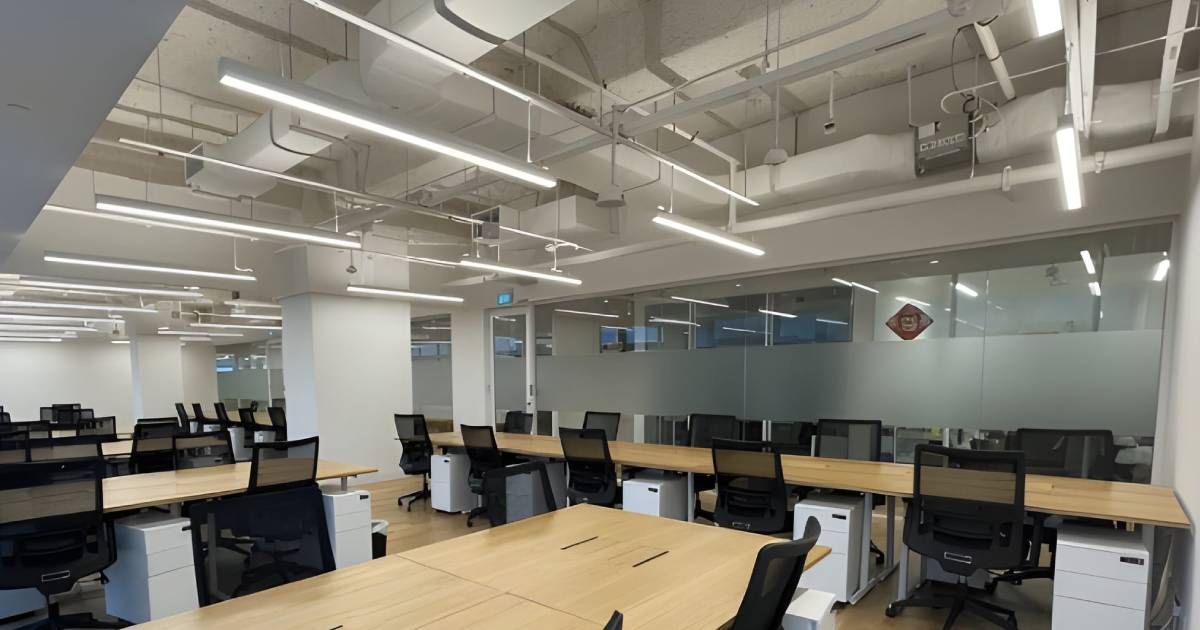
The moment often arrives quietly. One day, your business is running smoothly from a laptop and a registered address. The next, meetings are harder to manage, team chats feel fragmented, and your brand feels ready for something more tangible. Moving from a virtual office to a physical workspace is not just about square footage. It is about how your business is evolving and what it needs to keep growing with confidence.
For many founders and growing teams, this transition marks a meaningful milestone. It signals stability, momentum, and a shift from flexibility-first survival to long-term planning. The key question is not if you should upgrade, but when.
The Early Wins of a Virtual Office
Virtual offices play an important role in the early stages of a business. They offer credibility without commitment, flexibility without overheads, and a professional address without locking you into long leases.
For solo founders, consultants, and remote-first startups, virtual offices make it possible to launch quickly and stay lean. You get mail handling, call services, and a registered business address, all while working from anywhere.
However, what works brilliantly at the beginning may start to feel limiting as your operations become more complex.
Signs You’ve Outgrown a Virtual Setup
Growth often brings clarity. Here are some common signs that your business may be ready for a physical workspace.
1. Your team is expanding
When your headcount grows beyond a handful of people, collaboration becomes harder to manage virtually. Onboarding, training, and spontaneous problem-solving benefit from being in the same space.
2. Client meetings feel constrained
Meeting clients in cafés or borrowing boardrooms can start to feel inconsistent. A physical office provides a professional environment that reflects your brand and builds trust.
3. Your culture needs a home
Company culture thrives on shared experiences. From brainstorming sessions to casual conversations, having a space where your team gathers can strengthen alignment and morale.
4. Your operations need structure
As workflows become more layered, a dedicated workspace helps establish routines, accountability, and clearer boundaries between work and personal life.
First Steps Into Physical Space: Flexible Options That Make Sense
Upgrading does not mean jumping straight into a long-term lease. Many businesses ease into physical offices through flexible solutions that match their current stage.
Coworking as a Transitional Move
For teams that value flexibility, coworking spaces offer an accessible entry point. An affordable coworking space allows businesses to enjoy professional facilities, shared amenities, and a sense of community without heavy upfront commitments.
This setup works well if your team comes in a few days a week or if you want to test how a physical environment fits your workflow before committing further.
Some teams also prefer a Short-Term Coworking Spaces for Rent in Singapore, especially if attendance varies or if flexibility remains a priority. Hot desking encourages movement, collaboration, and efficient use of space while keeping costs manageable.
When Privacy Becomes Important
As your business matures, privacy and focus often become more valuable. Client confidentiality, internal discussions, and uninterrupted work sessions can be challenging in shared environments.
At this stage, many companies start exploring a private office for lease, which offers dedicated space while still benefiting from shared facilities in managed buildings or coworking hubs. This option strikes a balance between independence and flexibility.
Practical Considerations Before Making the Move
Transitioning from virtual to physical office space is a strategic decision. Taking time to plan helps avoid common pitfalls and ensures your new workspace supports growth rather than creating strain.
1. Budget Beyond Rent
Rent is only part of the picture. Factor in utilities, internet, furniture, cleaning, and potential expansion needs. A space that fits today but cannot grow with you may lead to another move sooner than expected.
2. Location and Accessibility
Choose a location that works for both your team and clients. Accessibility to public transport, nearby amenities, and overall convenience can influence attendance and satisfaction.
3. Lease Flexibility
Business needs evolve. Look for flexible lease terms, especially if you are still scaling. Understanding the do’s and don’ts of renting helps you avoid overcommitting or overlooking clauses that may limit your options later.
4. Team Work Patterns
Assess how your team actually works. Do they collaborate daily, or is hybrid work the norm? Your office should support real habits, not idealised ones.
How a Physical Office Changes the Way You Work
A physical office is more than a workspace. It shapes how your business operates and how it is perceived.
- Stronger collaboration
Ideas flow more naturally when people share a space. Quick conversations often solve problems faster than scheduled calls.
- Clearer boundaries
Having a dedicated office helps teams separate work from home life, improving focus and reducing burnout.
- Enhanced brand presence
An office reinforces your identity as a growing, established business. It sends a signal of commitment to clients, partners, and employees.
- Better onboarding and mentoring
New hires integrate more smoothly when they can learn by observing and interacting in person.
Timing the Transition With Confidence
There is no universal timeline for moving from virtual to physical office. Some businesses make the shift within months, others after several years. The right time depends on your growth pace, team dynamics, and long-term goals.
What matters is making the decision intentionally. Rushing into a space that is too large or restrictive can create unnecessary pressure. Waiting too long can slow momentum and limit collaboration.
Think of your office as a tool. When your current setup no longer supports how you work, it may be time to upgrade.
Finding the Right Fit Without the Stress
Navigating office options can feel overwhelming. With so many configurations, locations, and providers, it is easy to lose clarity.
This is where guidance makes a difference.
Choosing a workspace is not just about comparing prices or layouts. It is about understanding how different environments support different stages of growth and matching them to your business reality.
Conclusion: Making the Move With Clarity
Upgrading from a virtual office to a physical workspace is a meaningful step in your business journey. It reflects growth, ambition, and a desire to build something lasting. The right space can energise your team, strengthen your brand, and support the next chapter of your company.
That is where Tenant City comes in. Instead of navigating countless listings on your own, Tenant City helps you compare virtual offices, coworking options, and private offices clearly and confidently. With transparent insights and expert support, you can focus on what truly matters: choosing a workspace that fits your business today and tomorrow.
Ready to explore your next move? Discover your ideal office solution with Tenant City and take the step from home to HQ with confidence.