The way businesses use office space is changing. With hybrid work, growing teams, and different ways of working, not every company needs a traditional office with a fixed layout and a long-term lease. Some businesses need a private office for their team, while others prefer shared workspaces where employees can work and collaborate without committing to a permanent setup.
This shift is also reflected in Singapore's office market. According to CBRE's August 2026 report, the flexible office market reached approximately 4.2 million square feet across 195 centres in the first half of 2026, accounting for 5.5% of Singapore's total office stock. Flexible workspaces are no longer just an option for startups and freelancers. They are also being used by established businesses looking for office solutions that better match their needs.
So, what exactly is a flexible workspace? Put simply, it's an office arrangement that gives businesses more choice in how they use and manage their workspace. From coworking desks to private offices and managed office solutions, there are different options depending on your team size, budget, and business needs. In this guide, we'll explore the types of flexible workspaces, their benefits, and how to choose the right one for your business.
What Is a Flexible Workspace?
A flexible workspace is an office arrangement that gives businesses more choice over where and how they work, without having to manage every aspect of a traditional office themselves. Depending on the provider, it can range from a coworking desk in a shared environment to a private office or a fully managed workspace for an entire team. Many of these spaces come furnished and offer facilities such as internet access, meeting rooms, and communal areas, allowing businesses to get started without organising an office setup from scratch.
The main difference between a flexible workspace and a traditional office space comes down to how the space is used and managed. With a conventional office lease, a business typically rents its own premises and takes responsibility for things such as furnishing, utilities, maintenance, and office design, depending on the lease agreement. Flexible workspace solutions often bundle some of these services into one arrangement, making it easier to access a ready-to-use office. This can be useful for businesses that want to reduce the time and upfront effort involved in setting up a workplace, although the overall cost will depend on the workspace type, location, and contract terms.
Flexibility can also mean different things to different businesses. For some, it means choosing hot desking instead of assigning a permanent desk to every employee. For others, it means having a dedicated private office, access to shared meeting rooms, or a workspace that can accommodate a growing team. Contract terms and access arrangements can vary too, so a flexible workspace does not automatically mean a short-term lease or unrestricted use. Ultimately, the right setup depends on your team's working habits, privacy requirements, and business needs.
What Are the Different Types of Flexible Workspaces?
Flexible workspaces come in several forms, and each one serves a different purpose. Some are designed for individuals who need a place to work outside their home, while others provide private offices for entire teams. The main differences come down to privacy, access, facilities, and how much control you have over the space. Understanding these options can help you find a workspace that suits your business without paying for facilities you don't need.
Coworking Spaces
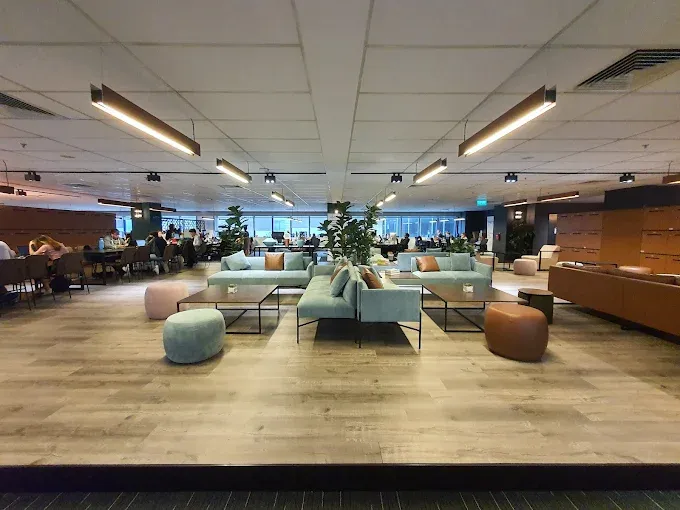
Coworking spaces provide a shared working environment where people from different businesses can work under one roof. They typically offer communal desks, reliable internet, meeting rooms, and shared facilities, making them a practical option for freelancers, remote workers, startups, and small teams.
One of the main advantages of coworking is the ability to work in a professional environment without renting an entire office. Some spaces also organise networking events and provide communal areas where members can connect with other professionals. For businesses that don't need a permanent office, coworking offers a straightforward way to access workspace when needed.
In Singapore, coworking spaces are available in various locations, including the CBD, where proximity to clients, transport links, and business amenities can be important. However, shared environments may not suit everyone, particularly teams that handle confidential information or need a quieter place to work.
Hot Desks and Dedicated Desks
Hot desks and dedicated desks are two common options within coworking spaces. With hot desking, you use an available desk rather than having one assigned to you. Depending on the membership, you may be able to visit on selected days or access the workspace more regularly.
A dedicated desk, on the other hand, is assigned to you for ongoing use. This gives you a consistent place to work without committing to a private office. Dedicated desks may also provide more convenient storage or a more established working setup, depending on the provider.
Hot desks can suit people who work remotely or visit the office occasionally, while dedicated desks may be a better fit for those who need a regular workstation. For businesses adopting hybrid work arrangements, hot desking can also help accommodate employees who don't need to be in the office every day.
Serviced Offices
Serviced offices provide ready-to-use office space with facilities and services managed by the provider. These offices are generally furnished and may include internet access, utilities, reception services, meeting rooms and shared communal areas, depending on the package.
Unlike a conventional office lease, where businesses may need to arrange furniture, utilities and other operational requirements themselves, a serviced office brings many of these elements together. This can make it easier to establish an office without spending as much time coordinating the setup.
Serviced offices can suit startups, established companies and businesses entering Singapore that need a professional place to work. They can also provide a more private environment than coworking spaces while allowing businesses to use shared facilities. Before signing an agreement, check which services are included, the minimum contract period, and whether additional charges apply.
Private Offices
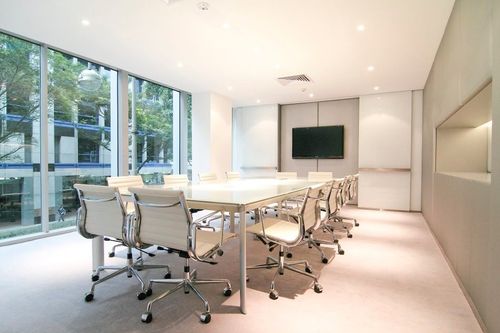
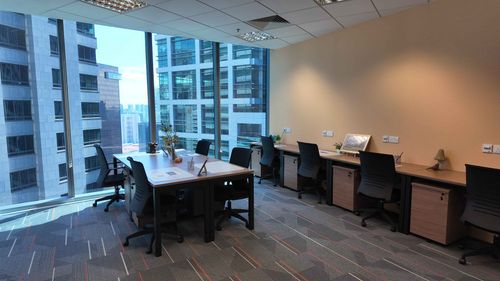
A private office provides an enclosed workspace reserved for your business or team. Unlike an open coworking environment, it gives employees their own dedicated area for meetings, collaboration, and day-to-day work, with greater privacy for calls and confidential discussions.
Private offices are available through different arrangements, including serviced offices and other flexible office space providers. Depending on the setup, you may have access to shared meeting rooms, reception facilities, pantry areas, and other amenities without having to manage an entire office building.
This option can work well for businesses that need a professional office but aren't ready to take on the responsibilities of a conventional lease. It's also worth considering for teams that need a consistent working environment or want more control over their company identity and workspace design. Costs, lease terms, and customisation options vary, so compare these details before deciding.
Managed Offices
Managed offices are designed for businesses that want a dedicated office with more support for setup and day-to-day operations. Depending on the agreement, the provider may help with office design, furnishing, facilities management and other operational services, while the business uses the space as its own working environment.
Compared with a typical serviced office, a managed office may offer more opportunities to tailor the layout, branding and facilities to a company's requirements. This can be useful for larger teams or established businesses that need a particular office setup without managing every part of the process themselves. However, the level of customisation and management support varies between providers. Some arrangements may also involve longer commitments or more detailed agreements than a standard coworking membership. Businesses should review the scope of services, responsibilities, and contract terms to understand exactly what's included.
Virtual Offices
Virtual offices are slightly different from the other options because they don't provide a permanent physical workspace for everyday use. Instead, they typically offer services such as a business address, mail handling and, in some cases, call answering or access to bookable meeting rooms.
This arrangement can suit businesses that work remotely or operate across multiple locations but still need a professional business address. It may also help companies establish a presence in Singapore without renting a dedicated office.
However, a virtual office isn't a substitute for a physical workspace if your team needs desks, regular in-person collaboration, or a private place to work. If you need somewhere to accommodate employees on a regular basis, a coworking space or private office would be more appropriate.
What Are the Benefits of a Flexible Workspace?
A flexible workspace gives businesses more control over how they use office space without having to manage every aspect of a traditional office. Whether you're running a small team or managing employees across multiple locations, flexible workspace solutions can help you find an arrangement that suits your budget, team size, and ways of working.
Lower Upfront Setup Costs
Setting up a traditional office can involve significant upfront expenses, from furniture and internet installation to office equipment and fit-out work. Flexible office space often comes furnished and ready to use, helping businesses reduce initial costs and establish a professional working environment without organising everything from scratch.
For startups and corporates expanding into Singapore, this can be a practical way to establish an office without making a substantial upfront investment. However, cost savings aren't guaranteed. Compare the monthly fees, included services and contract terms against the real estate costs of leasing and managing a traditional office space.
Flexible Space Requirements
Business needs can change as teams grow, projects evolve, or working arrangements shift. A flexible workspace allows businesses to choose from different options, ranging from a coworking desk to a private office space for a dedicated team.
This can be particularly useful for companies that don't need the same amount of office space throughout the year. Instead of paying for a larger office than necessary, businesses can look for a workspace that fits their current team size, with the option to expand or change arrangements where availability and contract terms allow.
Access to Ready-to-Use Facilities
Many flexible workspaces provide essential facilities such as desks, internet access, meeting rooms, and shared communal areas. Depending on the provider, services such as reception support, cleaning, and utilities may also be included.
Having these facilities in place means businesses can focus on their daily operations rather than spending time coordinating office setup and maintenance. It also gives smaller teams access to a professional place to work, with facilities that might otherwise require additional investment. For companies that regularly meet clients, the right workspace can help maintain a professional presence without having to manage a dedicated office independently.
Support for Hybrid Teams
With more businesses adopting flexible working arrangements, maintaining a permanent desk for every employee may not always make sense. A hybrid workspace can accommodate employees who split their time between working from home and coming into the office, using options such as hot desking, coworking memberships and bookable meeting rooms.
This setup gives employees a place to work together when face-to-face collaboration is needed, while allowing others to work remotely when appropriate. It can also support work-life balance by giving teams more choice over where they work. The key is to understand how often employees need to be in the office and choose a workspace that supports those habits.
Less Day-to-Day Office Management
Running an office involves more than paying rent. Businesses may also need to coordinate cleaning, maintenance, utilities, internet services, and other operational tasks. With many flexible workspace arrangements, some of these responsibilities are handled by the provider.
This can free up time for business owners and team managers to focus on their core operations rather than everyday office administration. The level of support varies between providers, so check what's included before signing an agreement. A workspace that reduces administrative work can be valuable, but it should still meet your team's practical needs and budget.
What Are the Disadvantages of Flexible Workspaces?
Flexible workspaces offer convenience, but they aren't the right fit for every business. Before choosing one, consider the following limitations.
Potentially Higher Costs per Desk
Flexible workspaces can have a higher cost per desk than a traditional office, particularly for larger teams that need dedicated space over a long period. While the initial setup may be cheaper, compare the total cost against your budget and long-term workspace strategy.
Less Control Over Shared Environments
Coworking spaces provide a collaborative space, but noise, shared facilities, and limited privacy can affect productivity. Businesses handling confidential information or requiring a quieter working environment may be better suited to a private office.
Additional Charges for Certain Services
Meeting rooms, printing, parking and other facilities may incur extra fees, depending on the provider. Check what's included in the membership or rental agreement to avoid unexpected costs.
Restrictions on Customisation and Access
Some flexible workspaces limit changes to office layouts, branding and furniture. Access hours can also vary by membership or provider, which may not suit businesses that need to work outside standard office hours.
Contract Terms That Vary by Provider
Not every flex space offers short-term commitments or the same level of flexibility. Minimum lease periods, deposits, renewal conditions, and termination policies can differ, so review the agreement carefully before committing.
Who Should Use a Flexible Workspace?
Flexible workspaces can suit businesses of different sizes, depending on their budget, working arrangements and need for office facilities. Here are some situations where they may be worth considering.
Startups and Small Businesses
Startups and small businesses can use flexible workspaces to access a professional office without investing heavily in furniture, equipment, and office setup. Coworking spaces and serviced offices offer practical options for teams that want to keep initial costs manageable.
Freelancers and Remote Workers
Freelancers and remote workers may benefit from coworking spaces when working from home becomes distracting, or they need a more professional place to work. Shared desks also provide opportunities to meet other professionals without committing to a private office.
Businesses Entering Singapore
Businesses expanding into Singapore can use flexible workspace solutions to establish a local presence without immediately committing to a conventional office lease. Depending on their needs, they can choose a coworking space or private office close to clients, business partners, and transport links.
Growing Teams
Growing teams may need more desks, meeting rooms or private office space as their headcount increases. Flexible workspace arrangements can provide options to accommodate these changes, subject to availability and contract terms.
Companies With Hybrid Working Arrangements
Companies with hybrid teams may not need a permanent desk for every employee. Coworking memberships, hot desking, and bookable meeting rooms can give employees access to an office when they need to collaborate in person, while supporting remote work on other days.
How to Choose the Right Flexible Workspace
Finding the right flexible workspace starts with understanding how your team works. Think about how many people need office space, how often they come in, and whether they need a private office or are comfortable sharing a workspace. There's little point in paying for a large office if most of your team works remotely, but a shared desk may not be practical if you regularly hold meetings or handle confidential information.
Location is another important consideration, particularly if your business operates in Singapore. An office near an MRT station can make commuting easier, while a location in the CBD may be more convenient for meeting clients and business partners. It's also worth considering where your employees live and how they travel to work. Our guide on choosing an office location your team loves covers what to look for when balancing commute times, transport links and nearby amenities. Beyond location, check that the workspace has the facilities your team needs, such as meeting rooms, reliable internet and communal areas.
Before making a decision, compare the rental costs and contract terms carefully. Some workspaces include utilities and office services in their fees, while others charge extra for meeting room bookings, parking, or other facilities. Check the minimum lease period and whether you can expand into a larger office as your team grows. The best office isn't necessarily the most expensive or the most flexible one; it's the one that fits your business needs without stretching your budget.
If you're looking for office space in Singapore, Tenant City makes it easier to compare available options in different locations. Explore our private offices and coworking spaces in Singapore to find a workspace that suits your team size, preferred location, and budget.